
Ingham County untested-kit case
People of the State of Michigan v. Marshawn James Curtis
Watch the court record with us.
Subscribe on YouTube (opens in a new tab)
Bench Watch Brief · Where this case stands
A rape kit from a 2012 Lansing assault sat untested after prosecutors declined to charge. Sent to a lab in 2016 as part of a statewide initiative, the kit's DNA was later matched to Marshawn James Curtis, whom an Ingham County jury convicted of first-degree criminal sexual conduct in 2023. The Michigan Court of Appeals upheld the conviction on March 19, 2026, and court records show no further appeal.
The question at issue
Whether evidence of other alleged acts, a nurse's testimony and an expert's testimony were properly admitted, and whether his 17.5-to-80-year sentence was proportionate.
Outcome
Affirmed, March 19, 2026, in an unpublished opinion. The Court of Appeals lists the case as concluded, and the state courts' case search shows no appeal to the Michigan Supreme Court as of Nov. 14, 2026. His sentence is 17.5 to 80 years.
Why we're following it
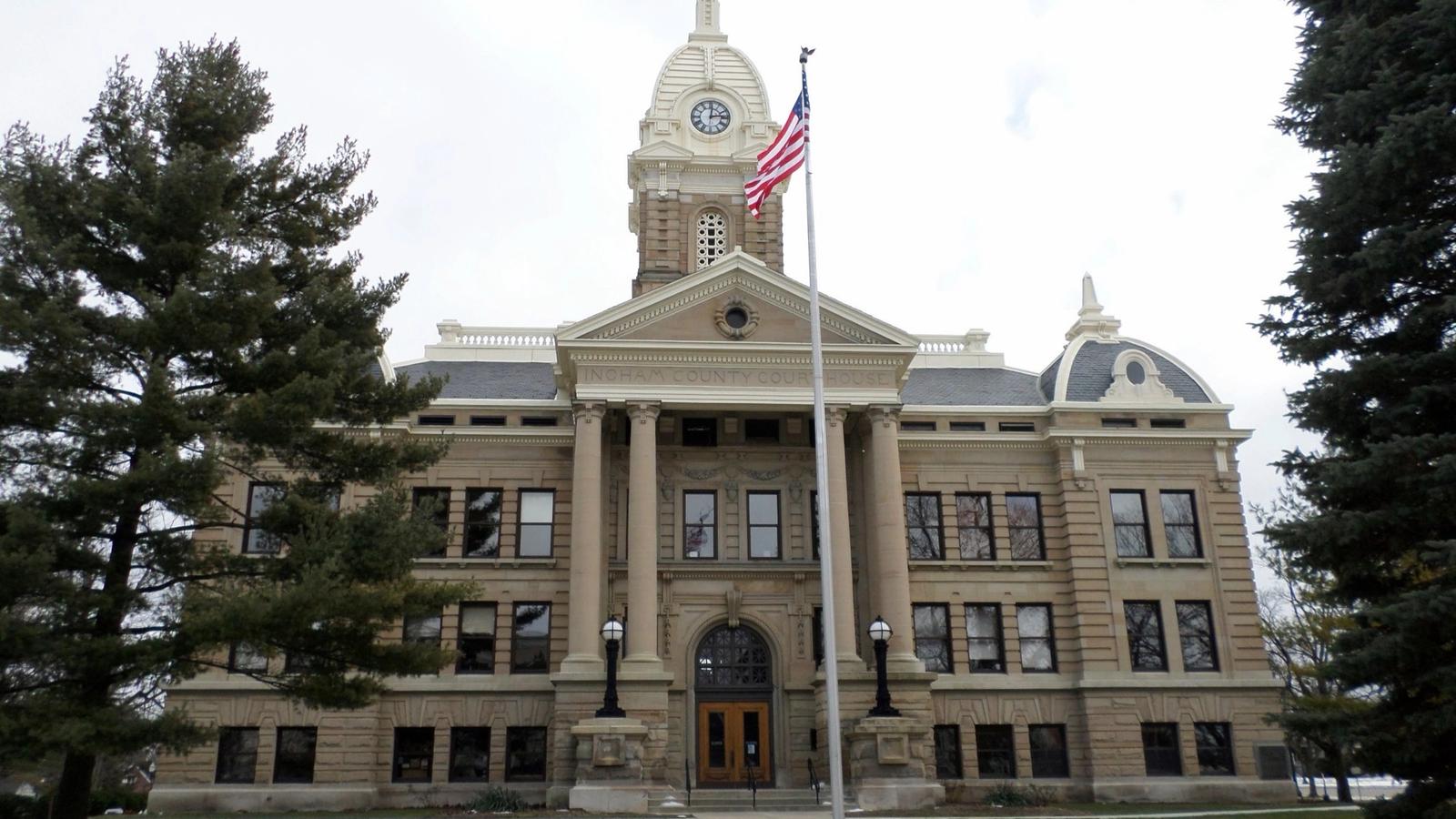
According to trial testimony summarized by the Court of Appeals, “the case was closed in 2012 after the prosecutor declined to issue a warrant.” In March 2016, Lansing police sent the kit to an outside lab “as part of a statewide initiative,” and in 2022 the case went to Ingham County's Sexual Assault Kit Initiative team (opinion).
Bench Watch BreakdownRape kitShow or hide the explanation
- What it means
- After a sexual assault, a trained nurse can collect evidence, including DNA, in a kit. The kit only helps if a lab tests it.
- In this case
- The kit from this 2012 assault wasn't sent to a lab until 2016.
An Ingham County jury convicted Curtis on Dec. 1, 2023, of first-degree criminal sexual conduct (Attorney General). Judge James Jamo sentenced him to 17.5 to 80 years (Attorney General).
Bench Watch BreakdownNo time limit for the most serious chargeShow or hide the explanation
- What it means
- Most crimes have a time limit. After it runs out, no one can be charged. In Michigan, the most serious sex crime has no limit. It can be charged “at any time.”
- In this case
- That's why an assault from 2012 could still go to trial in 2023, once the kit was tested.
- Why it matters
- For second- and third-degree criminal sexual conduct, a 2024 law set the limit at 15 years or the survivor's 42nd birthday, whichever is later. It covers only crimes committed on or after April 2, 2025.
On appeal, Curtis challenged the evidence and his sentence. A three-judge panel rejected his challenges and affirmed the conviction. “Defendant's arguments lack merit,” the panel wrote (opinion).
“Our state's SAKI units do a tremendous job prosecuting challenging cases and securing convictions for sexual assault survivors, and this case was no exception,” Attorney General Dana Nessel said (Attorney General).
Timeline
Primary documents
- Court of Appeals opinion (unpublished)Opinion · March 19, 2026
- Attorney General: convictionOther · December 6, 2023
- Attorney General: sentencingOther · February 14, 2024
- Attorney General: conviction affirmedOther · March 24, 2026
- MCL 767.24: statute of limitationsStatute
- Court of Appeals docket (case concluded)Other
Our coverage
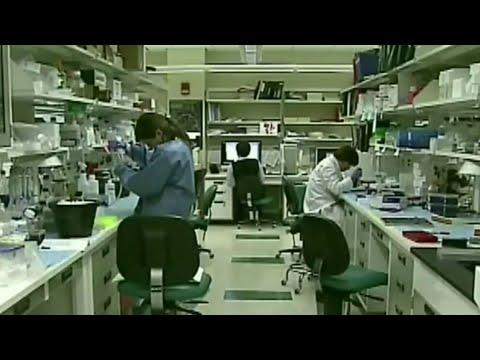 Video · WDIV Local 4
Why thousands of rape kits sat untested in Michigan, and what testing them changed
In 2009, a prosecutor touring a Detroit police storage building noticed dozens of boxes. They held what turned out to be more than 11,000 rape kits. Seventeen years later, the cases are still reaching courtrooms.
· 2 min read
Laws connected to this case
- Video · WDIV Local 4Michigan · StatuteIn effect
Michigan's longer deadline to charge sex crimes
2024 PA 268 (HB 4485)
Since April 2, 2025, Michigan prosecutors have 15 years, or until the survivor's 42nd birthday, whichever is later, to charge second- and third-degree criminal sexual conduct. First-degree has no limit. The change doesn't apply to older cases.
Status as of April 2, 2025
- Video · WDIV Local 4Michigan · StatuteIn effect
Michigan's rape kit laws
2014 PA 227, 318 and 319
Passed in 2014 after more than 11,000 untested kits were found in Detroit, these laws set deadlines for testing rape kits, created a statewide tracking system and give survivors the right to ask about their kit and their case. The money for the teams that work old kits is decided year to year.
Status as of March 31, 2015
Key questions
- What is SAKI in Michigan?
- It's the Sexual Assault Kit Initiative, made up of teams of prosecutors, investigators and advocates who work cases from rape kits that sat untested. The attorney general's office oversees SAKI teams in Kalamazoo, Ingham and Washtenaw counties; Ingham County's team handled the Curtis case.
- Can an old rape case still be charged in Michigan?
- First-degree criminal sexual conduct can be charged at any time. For second- and third-degree, a 2024 law set the limit at 15 years or the survivor's 42nd birthday, whichever is later, with more time when there's DNA; it doesn't apply retroactively.
Approach the Bench · How you can take part
Contact your officials
The money for this work is set in Lansing
The attorney general's SAKI agreements with county prosecutors were set to expire at the end of September 2026, and a 2025 bill to fund kit testing hasn't moved since it went to committee. State lawmakers set the money for this work.
Learn more
Survivors can track a kit
If a kit was collected in Michigan since the tracking system started, the survivor can check its status online, anonymously.
Disagree with a ruling? Only the people in a case can appeal it. You can still be heard by contacting your officials, voting in judicial elections where judges are elected and telling us what we're missing.
See something? Tell Bench Watch at tips@bench-watch.org. A wrong ruling is a matter for appeal. You can report bias or misconduct by a judge to your state's judicial conduct office.
Watch the court record with us.
Subscribe on YouTube (opens in a new tab)