
Michigan · Statute
Michigan's rape kit laws

Bench Watch Brief · Where it stands
Passed in 2014 after more than 11,000 untested kits were found in Detroit, these laws set deadlines for testing rape kits, created a statewide tracking system and give survivors the right to ask about their kit and their case. The money for the teams that work old kits is decided year to year.
What it does
Police must pick up a released kit within 14 days and send it to a lab within 14 more. Labs must analyze it within 90 days, “provided that sufficient staffing and resources are available to do so” (2014 PA 227).
A state commission had to plan a statewide system to track each kit's location, lab submission and testing status, with secure access for survivors (2014 PA 318). That system, Track-Kit, finished rolling out statewide in 2019, the state health department says (MDHHS).
On request, police must tell survivors the status of their case, and whether their kit was tested and produced a DNA match, as long as that won't compromise the investigation (2014 PA 319).
Why it matters
The 90-day deadline depends on “sufficient staffing and resources.” The attorney general's SAKI teams, which work old kits, run on yearly money and on agreements with prosecutors in Ingham, Kalamazoo and Washtenaw counties that were set to expire at the end of September 2026 (Attorney General). Bench Watch hasn't found a public record of an extension, but the attorney general's office was still announcing SAKI cases in November 2026 (Attorney General). A 2025 bill to fund more kit testing hasn't moved since it was referred to committee (HB 5072).
The cases behind it
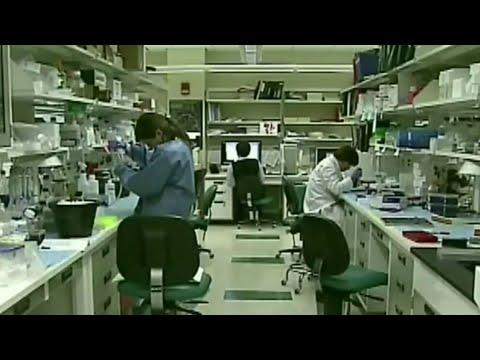 Video · WDIV Local 4AppealDecided
People of the State of Michigan v. Marshawn James Curtis
Mich. Ct. App. · No. Mich. Ct. App. No. 369945
A rape kit from a 2012 Lansing assault sat untested after prosecutors declined to charge. Sent to a lab in 2016 as part of a statewide initiative, the kit's DNA was later matched to Marshawn James Curtis, whom an Ingham County jury convicted of first-degree criminal sexual conduct in 2023. The Michigan Court of Appeals upheld the conviction on March 19, 2026, and court records show no further appeal.
Updated November 14, 2026 · 2 min read
Timeline
Sources
- 2014 PA 227 (compiled)Statute
- 2014 PA 318Statute
- 2014 PA 319Statute
- HB 5445 (2014)Other
- HB 5072 (2025)Other
- MDHHS: Track-Kit for survivorsOther
- Attorney General: 2025 SAKI reportOther · February 2, 2026
- Attorney General: SAKI case announcementOther · November 9, 2026
- MichiganVotes: SB 998 (2014 PA 318)Other
- MichiganVotes: SB 1004 (2014 PA 319)Other